In 2022, Wards Island averaged nearly six overdoses a month. By early 2026, that number had fallen to nearly one per month, a decline of more than 75%.
Behind that progress is a group of residents who live in the shelter system themselves. Many have completed the training and fieldwork requirements to become Certified Recovery Peer Advocates (CRPAs) and are now working as peer interns and volunteers, helping the people they live alongside access support, stay safe, and navigate recovery.
“When I moved into the shelter, I felt like life was over. Then I got introduced to the program, and it had a big, positive impact on my life. The training was excellent. I learned new techniques, new ways to approach people, and new ways to talk to people,” shared Francesco Gil, a CRPA intern and resident at HELP Keener Men’s Shelter.

That shared experience helps build trust. Residents who may be hesitant to engage with traditional services are often more willing to open up to someone who has faced similar challenges. Peer advocates meet people where they are, offering practical support, encouragement, and connections to resources without judgment.
The impact extends beyond the overdose numbers. Peer advocates have completed more than 145 intakes of residents considered at high risk of overdose, helping connect them to harm reduction resources, supportive services, and ongoing care.
The program is also creating new opportunities for residents themselves. Through training, field experience, and peer support work, participants are building skills, gaining confidence, and preparing for employment while supporting their communities.
This progress reflects a broader effort to expand harm reduction services across Wards Island. The New York City Department of Homeless Services (DHS) helped bring additional harm reduction resources and training into the shelters, while Exponents, a New York City nonprofit specializing in substance use prevention and recovery services, has provided training, mobile outreach, and support for residents pursuing peer recovery certifications.
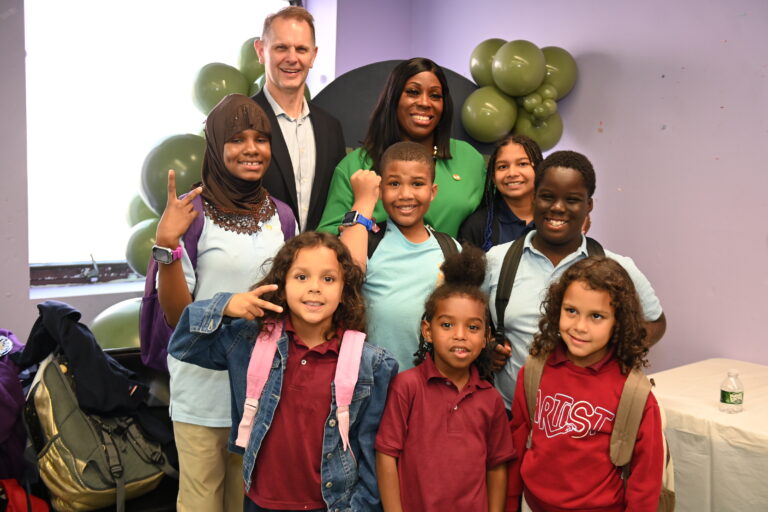
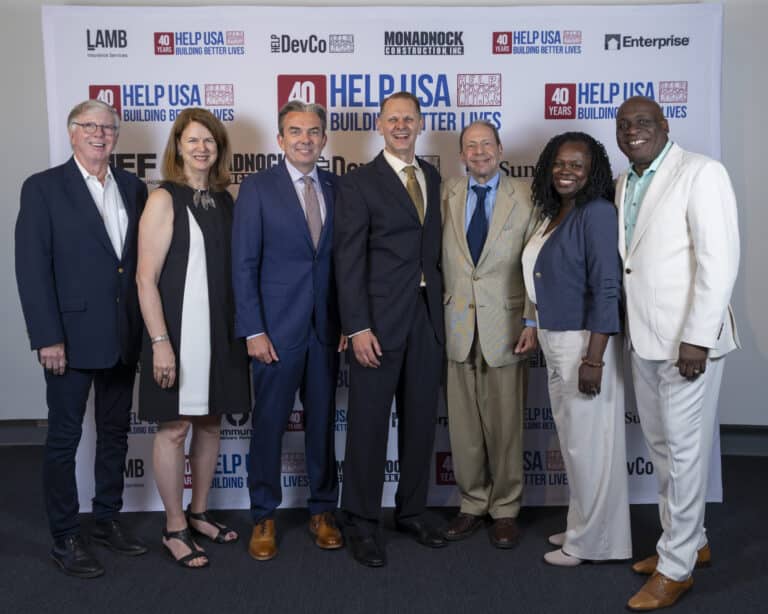
HELP USA recently celebrated participants in its substance use counseling and peer recovery training programs, recognizing the residents, staff, and partners helping strengthen peer-led recovery services across Wards Island.
This work is made possible through partnerships with DHS, Exponents, and the FORE Foundation, whose support has helped expand access to lifesaving services while creating new pathways to employment and professional growth for residents.
Together, these peer advocates are helping save lives while proving that lived experience can be one of the most powerful tools for supporting recovery.